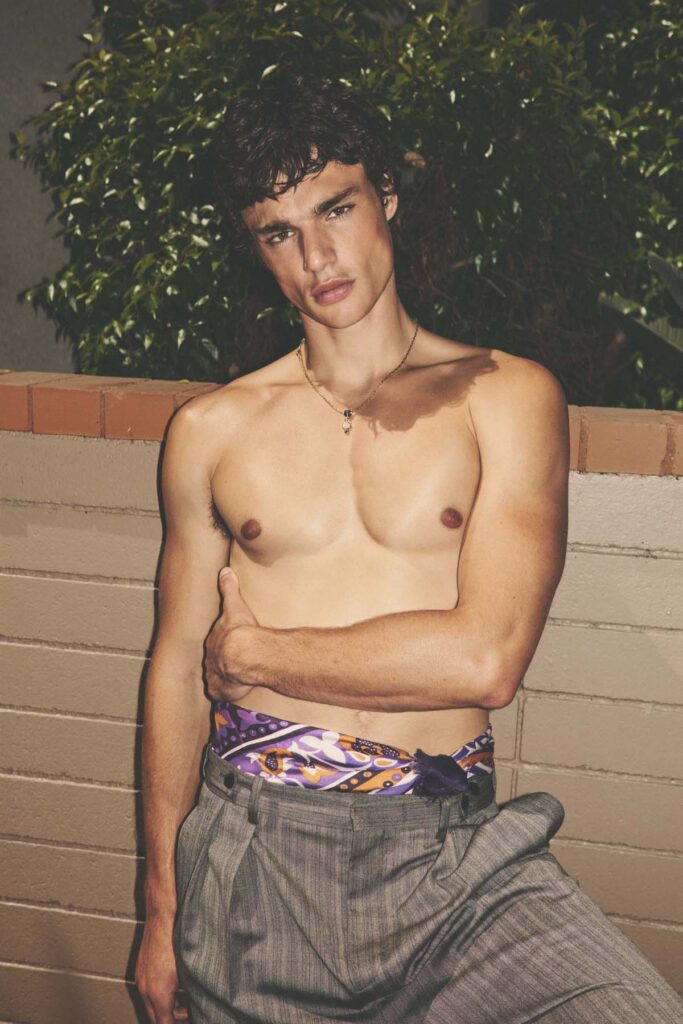
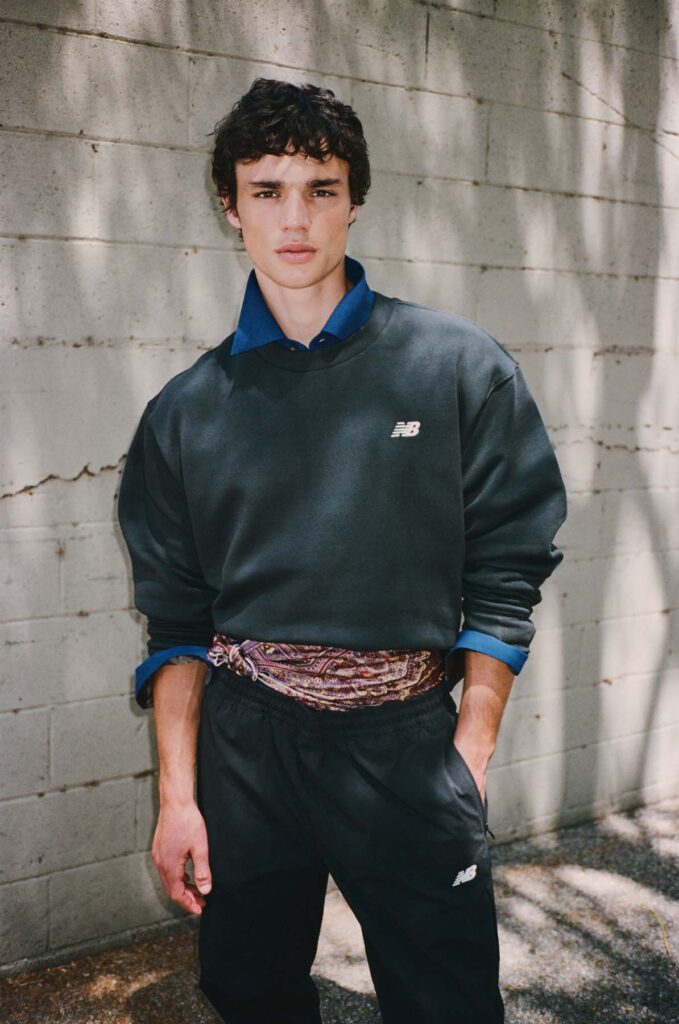
Fernando Lindez had fashion’s attention from the moment he opened Versace’s Fall/Winter 2019 runway, going on to work with Prada, Louis Vuitton and Bulgari and becoming one of the industry’s most magnetic young faces. The camera may have found him first through fashion, but his work in Skam España, Escándalo and Élite has given audiences something more to discover. Now, in his first English-language leading role, Lindez takes on Julián in film The Last Sunrise, based on Anna Todd’s fan-favorite novel, and talks working with Maia Reficco and bringing the book’s complicated romantic lead to life.
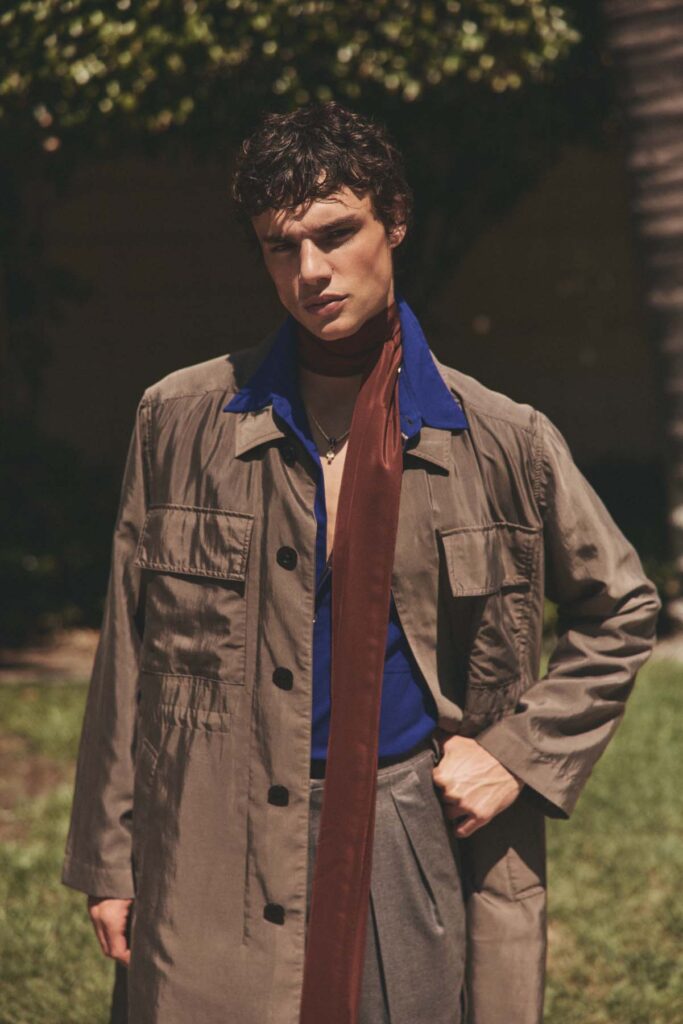
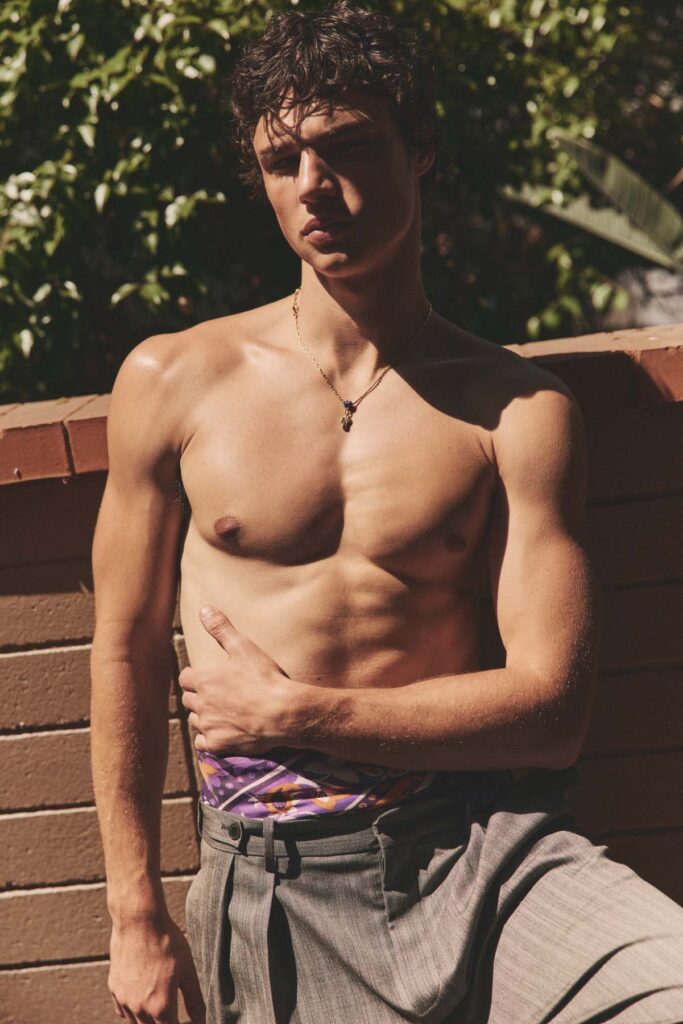
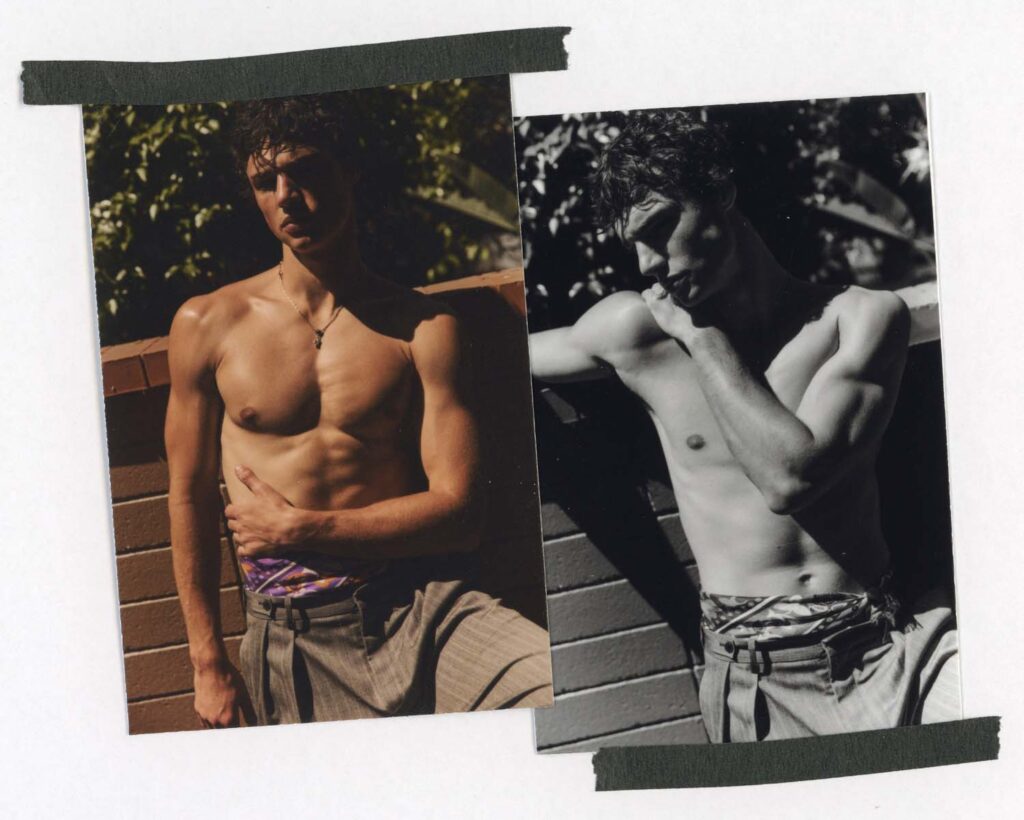
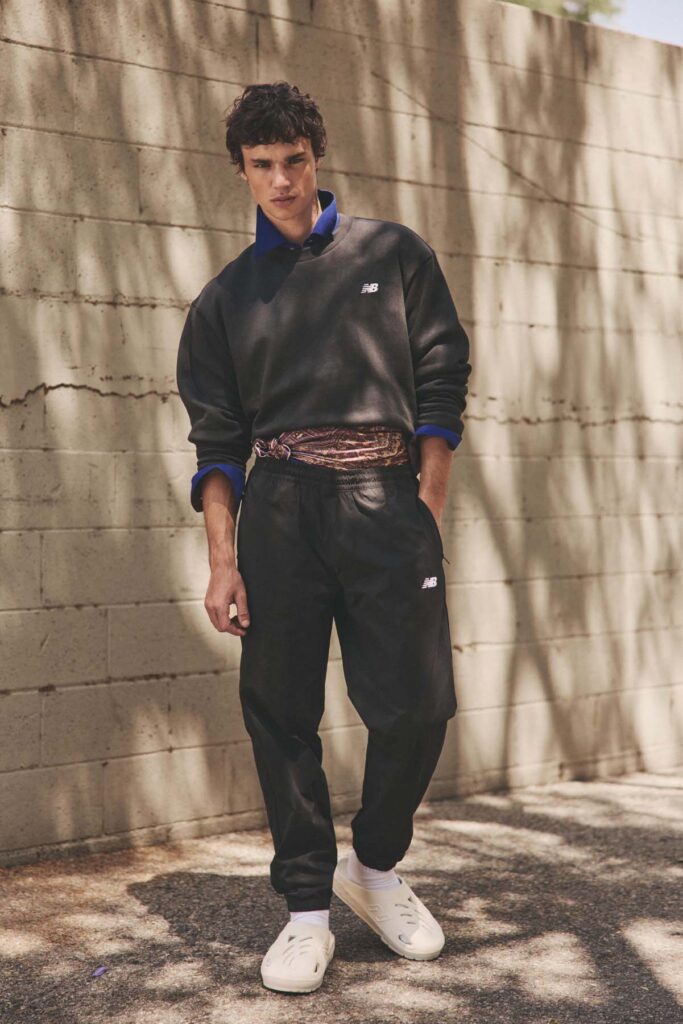
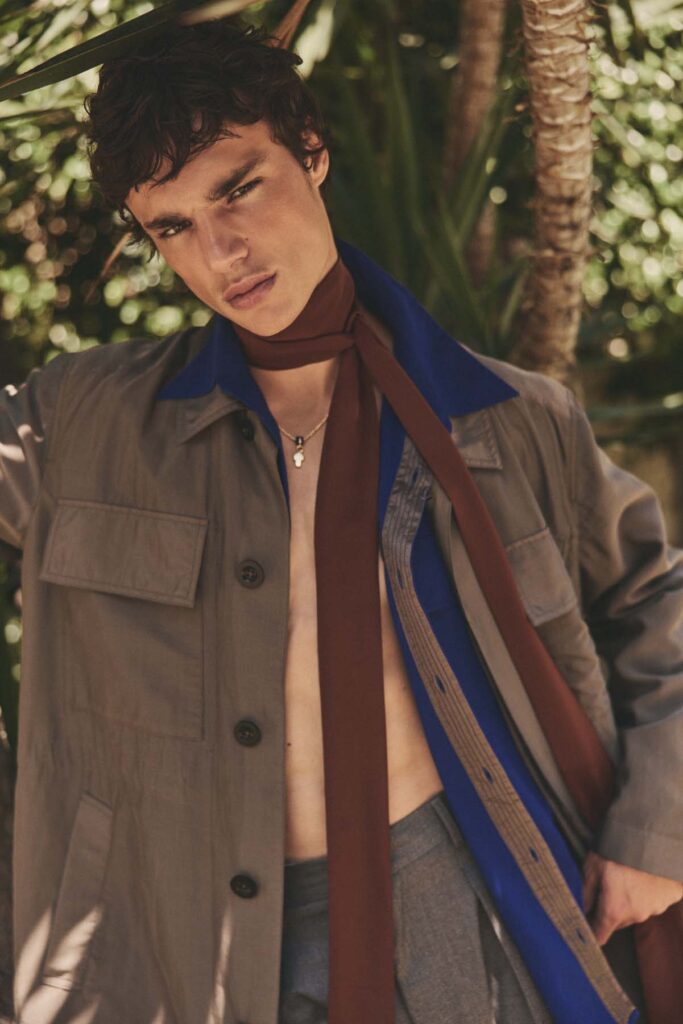
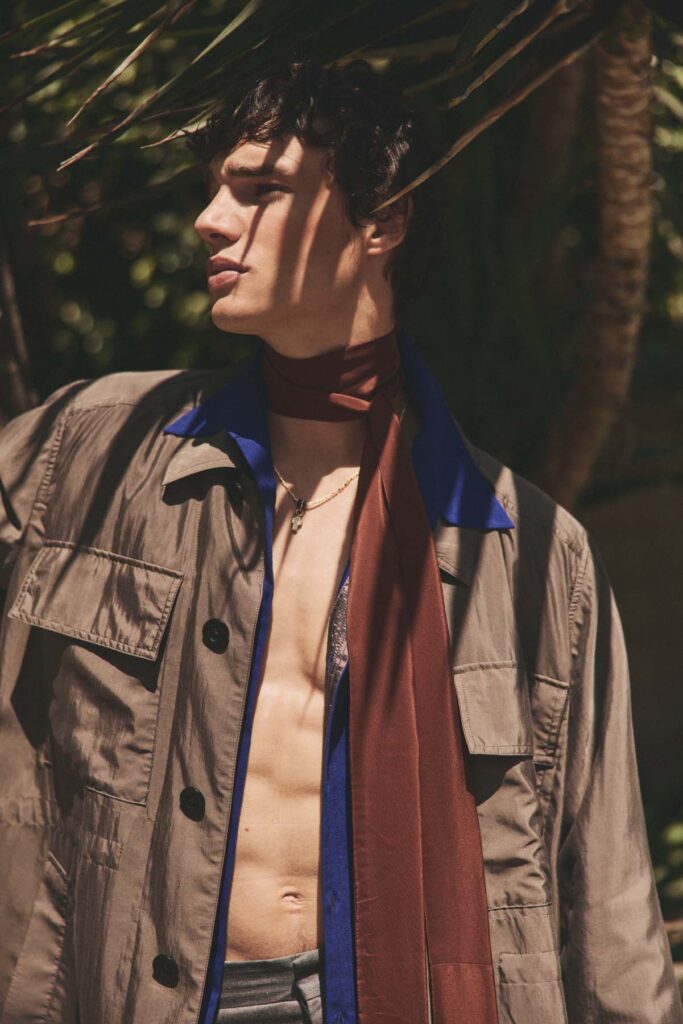
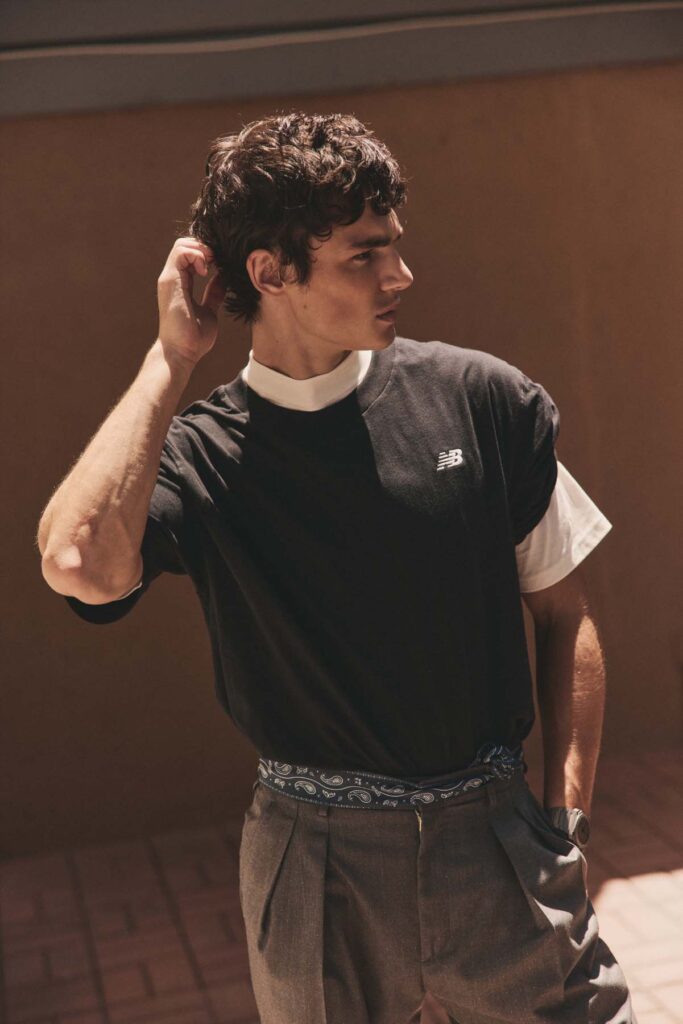
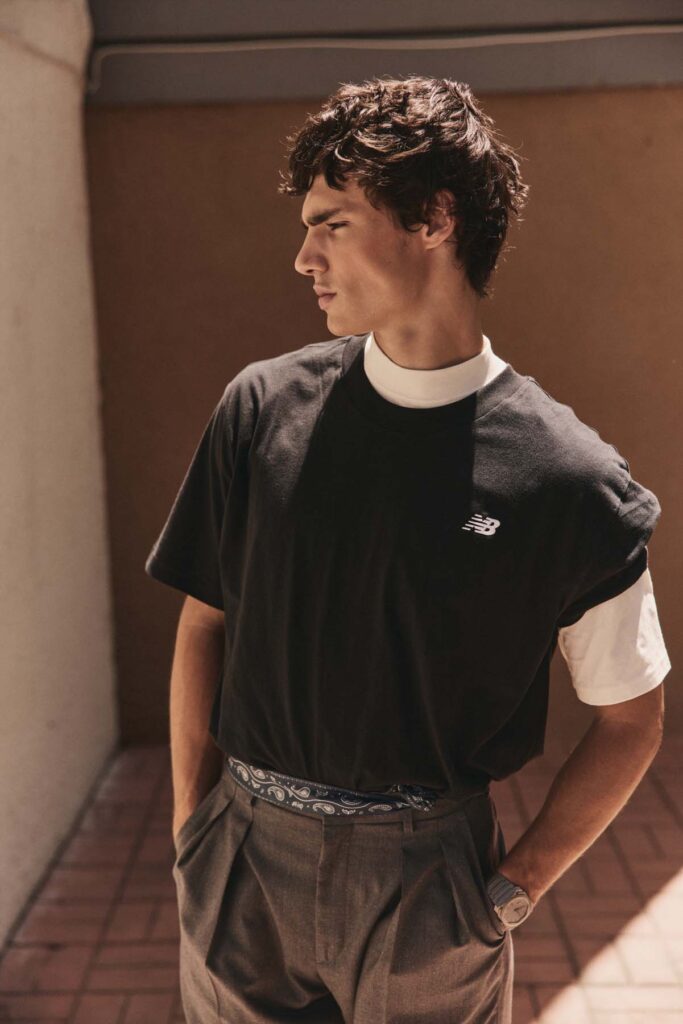
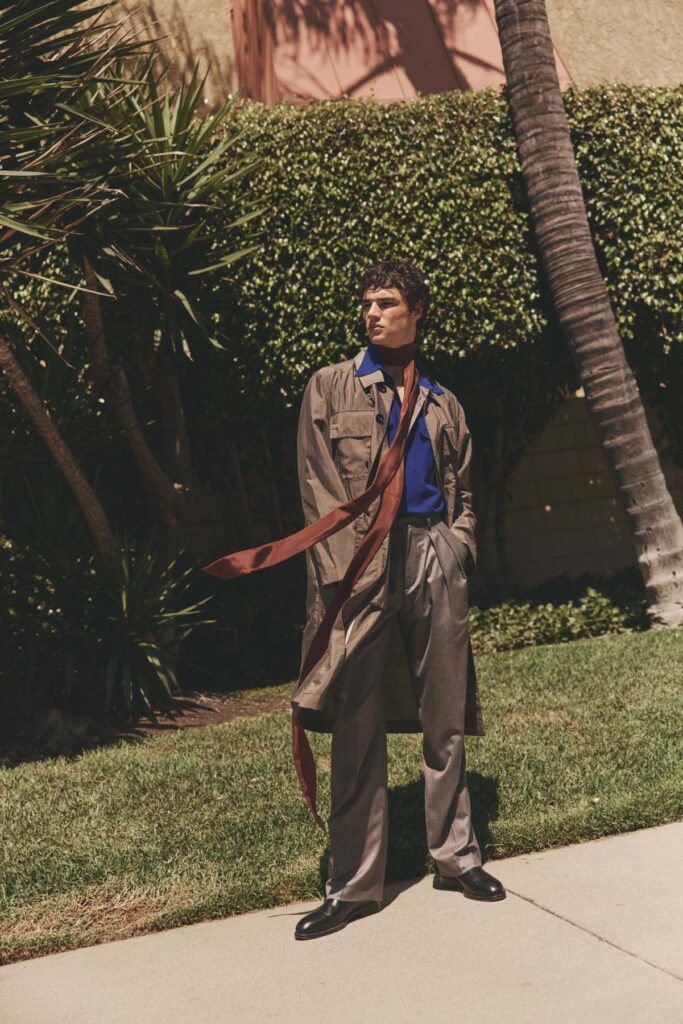
Trench Jacket, Shirt, Pants & shoes:Paul Smith Scarf: designed by stylist
The Last Sunrise marks your first English-language feature film as the leading man a major milestone. What was your reaction when you found out you’d landed the role?
I was very happy, obviously. It was a big opportunity, and I’d been wanting to do something in English for a while. But then you start thinking, okay, now I actually have to do it. So there was excitement, but also a lot of work to prepare for.
Beyond performing in English, what was the biggest challenge of carrying a film like this from beginning to end, both emotionally and creatively?
Probably keeping track of Julian’s emotional state, especially because we didn’t shoot everything in order. You’re filming one scene, then suddenly you’re doing something from much later in the story, so you have to know exactly where the character is. It was intense, but that’s also the interesting part of doing a film like this.
Without giving too much away, how would you describe your character, and what was it about him that made you want to tell his story?
Julian looks quite confident, and maybe a little difficult, but there’s more going on with him than he wants people to see. He’s not very good at saying what he feels, and Ray brings a lot of that to the surface. I liked that he wasn’t completely easy to understand. He has his problems, he makes mistakes, but he’s not a bad person.
Was there a particular scene or moment during filming that pushed you the furthest as an actor? What made it so challenging?
There were a few scenes with Maia that were quite demanding. They were emotional, but you can’t go into them trying to show the audience that you’re being emotional. You have to listen and react to what’s happening. Maia was very good, so it was easy to stay in the scene with her. You just try not to overthink it.
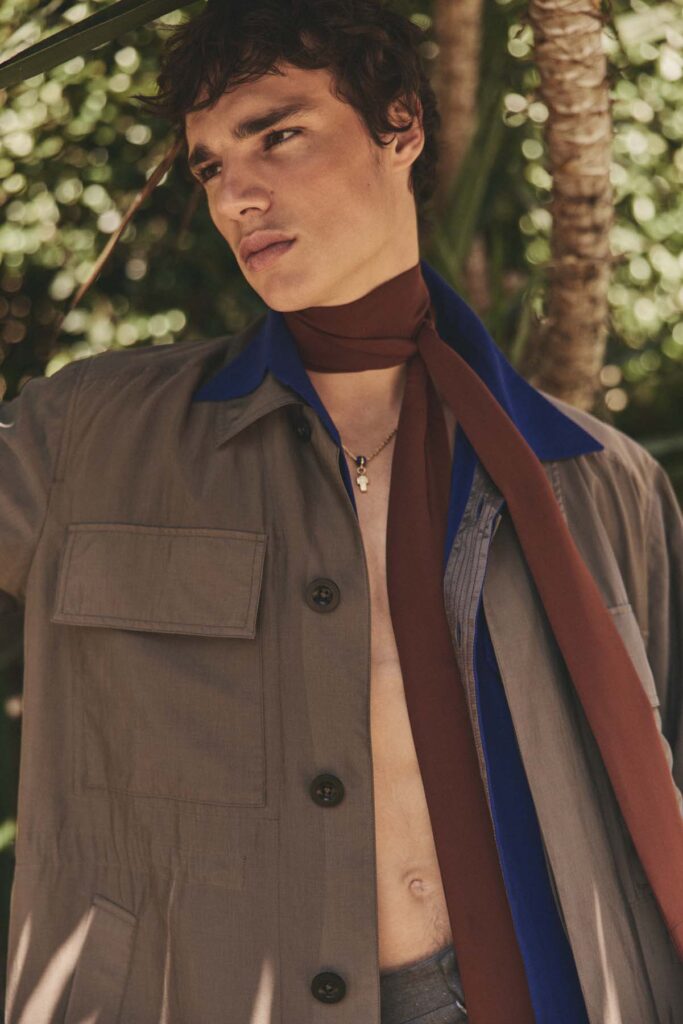
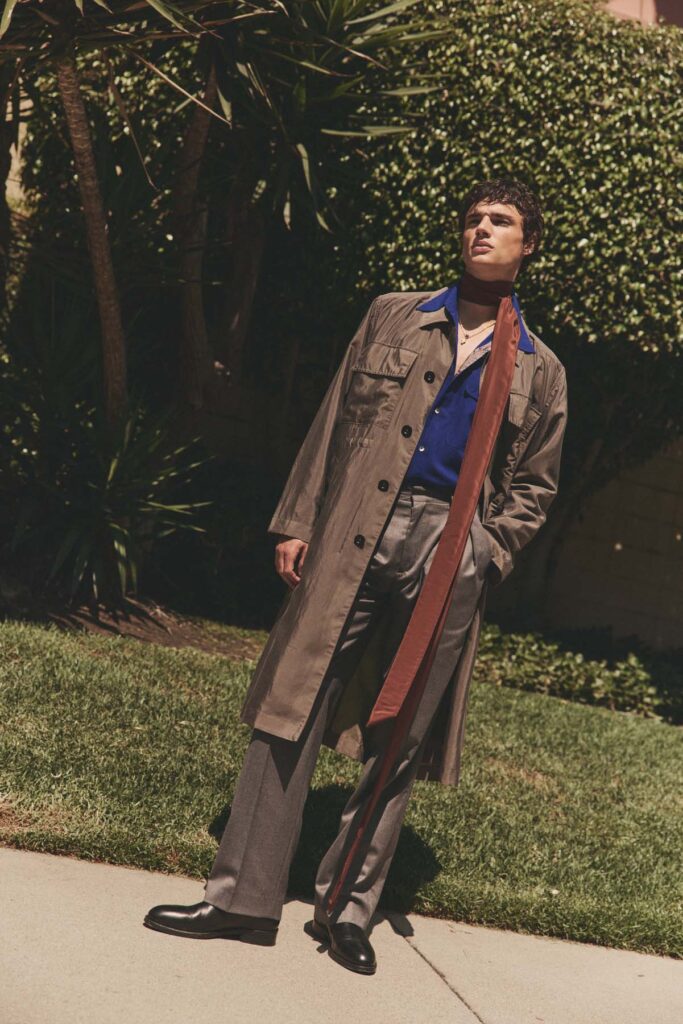
Trench Jacket, Shirt, Pants & shoes:Paul Smith Scarf: designed by stylist
You have years of experience expressing emotion in front of the camera as a model, but acting asks something completely different. Did your background in fashion help prepare you for this role, or did you have to reinvent yourself once you stepped onto set?
Fashion helped me feel comfortable in front of a camera, definitely. You learn how to use your body and how to be aware of small things. But acting is another thing. You can’t just look good or give a certain expression. You have to listen, understand the scene and sometimes look terrible, which is also fine. So fashion helped, but it didn’t really prepare me for everything.
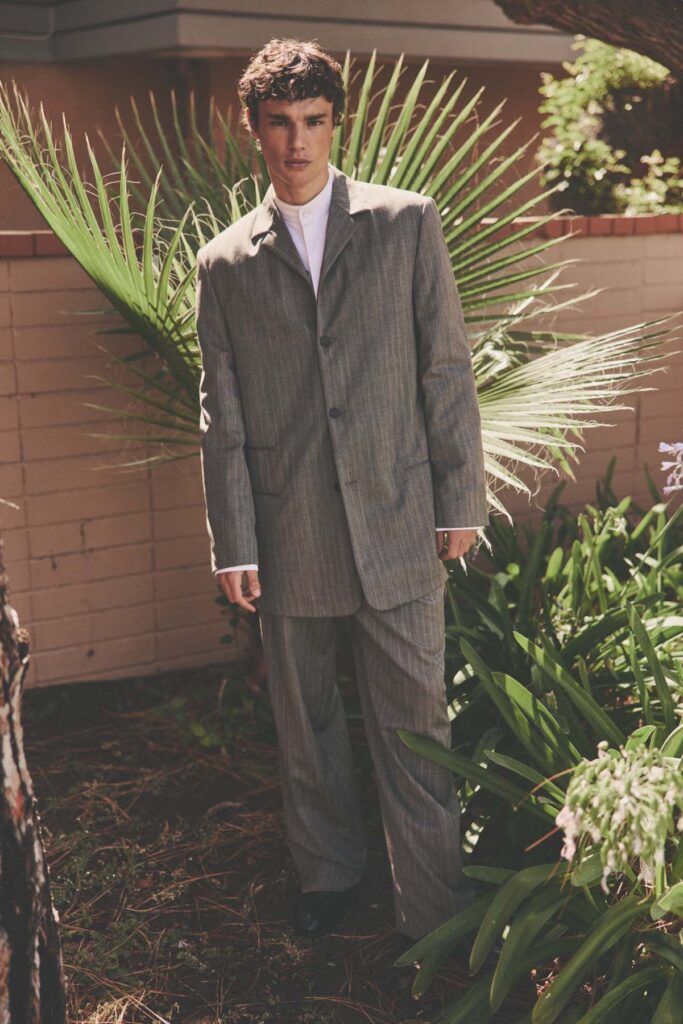
Trench Jacket, Shirt, Pants & shoes:Paul Smith Scarf: designed by stylist
Long before audiences knew you as an actor, the fashion industry recognized you after opening Versace’s Fall/Winter 2019 runway and going on to work with houses like Prada, Louis Vuitton, and Bulgari. Looking back, what lessons from those early runway experiences still influence you today?
The main thing is probably discipline. I started very young, and fashion made me travel and work with people from everywhere. You learn to arrive on time, know what you’re doing and not make everything about yourself. That’s useful in any job, really. Also, you learn quite quickly that there’s always someone better than you at something, so you stay humble.
Fashion tells a story without words, while acting relies on dialogue, emotion, and vulnerability. How do those two creative worlds inspire one another for you?
They’re different, but there’s a connection. With fashion, you’re communicating with your face, your body, the way you stand. With acting, you have all of that, but then you also have the character and the story. I don’t think about it too much, honestly. I just use whatever feels right for the moment.
Fans of Anna Todd’s novels are incredibly passionate. Did you feel any added responsibility bringing such a beloved story and character to life?
Of course. If people already love the story, you know they have a very clear idea of these characters. You don’t want to disappoint them. But you also can’t play every version that exists in someone’s head. I read the material, understood Julian as well as I could and tried to make him feel real. After that, you have to let people decide what they think.
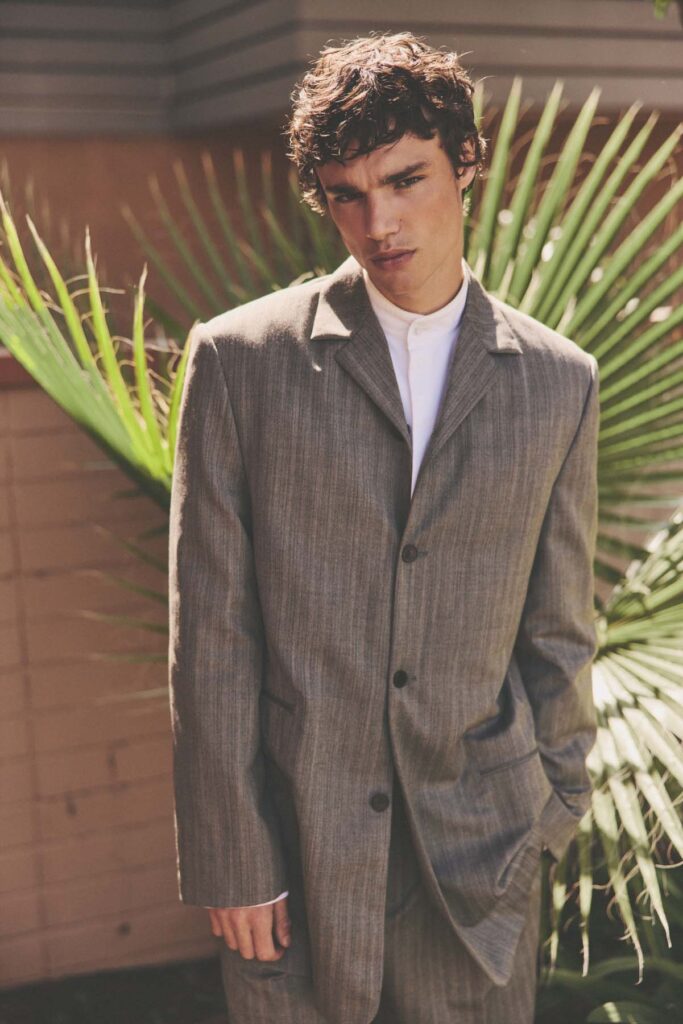
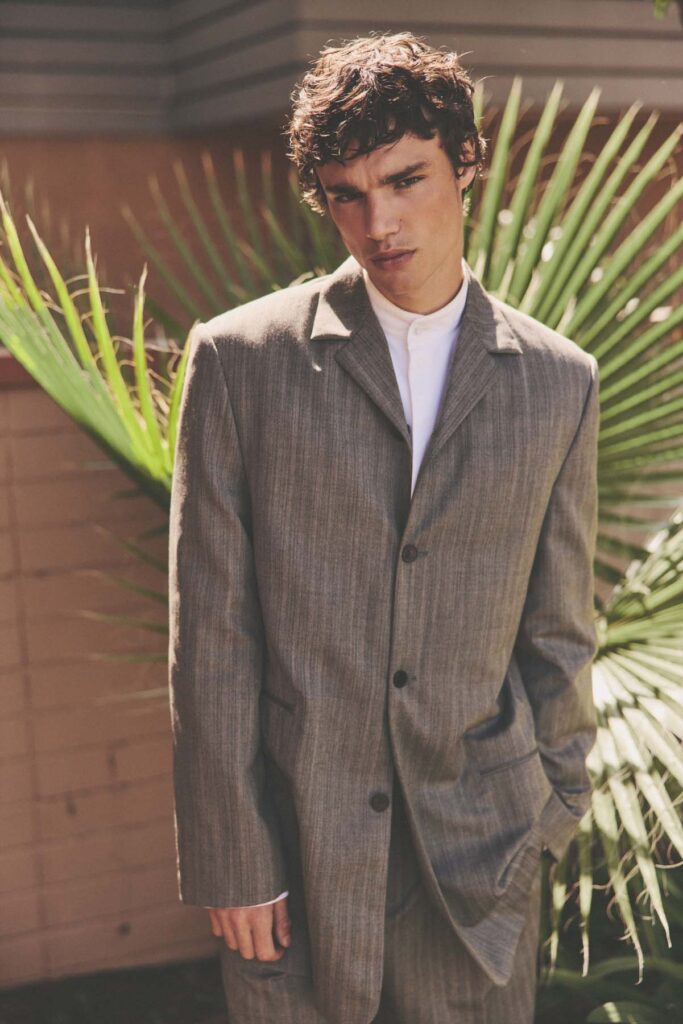
Trench Jacket, Shirt, Pants & shoes:Paul Smith Scarf: designed by stylist
Looking back at the Fernando who was just beginning his career in fashion, what do you think he would say if he could see where your journey has taken you today?
He’d probably be surprised. I don’t think I expected to be doing this, especially in English. I was just working and seeing what happened. I’m proud of what I’ve done, but I don’t spend too much time looking back. There’s still a lot I want to do.
Finally, when audiences finish watching The Last Sunrise, what do you hope they remember most? Not only about the film, but about your character’s journey?
I hope they remember Julian as someone who’s trying to understand himself, even if he doesn’t always handle things very well. He has to become more open and accept that another person can change him. I don’t need everyone to like him. I just hope they understand him a little, and that the film stays with them after they watch it.